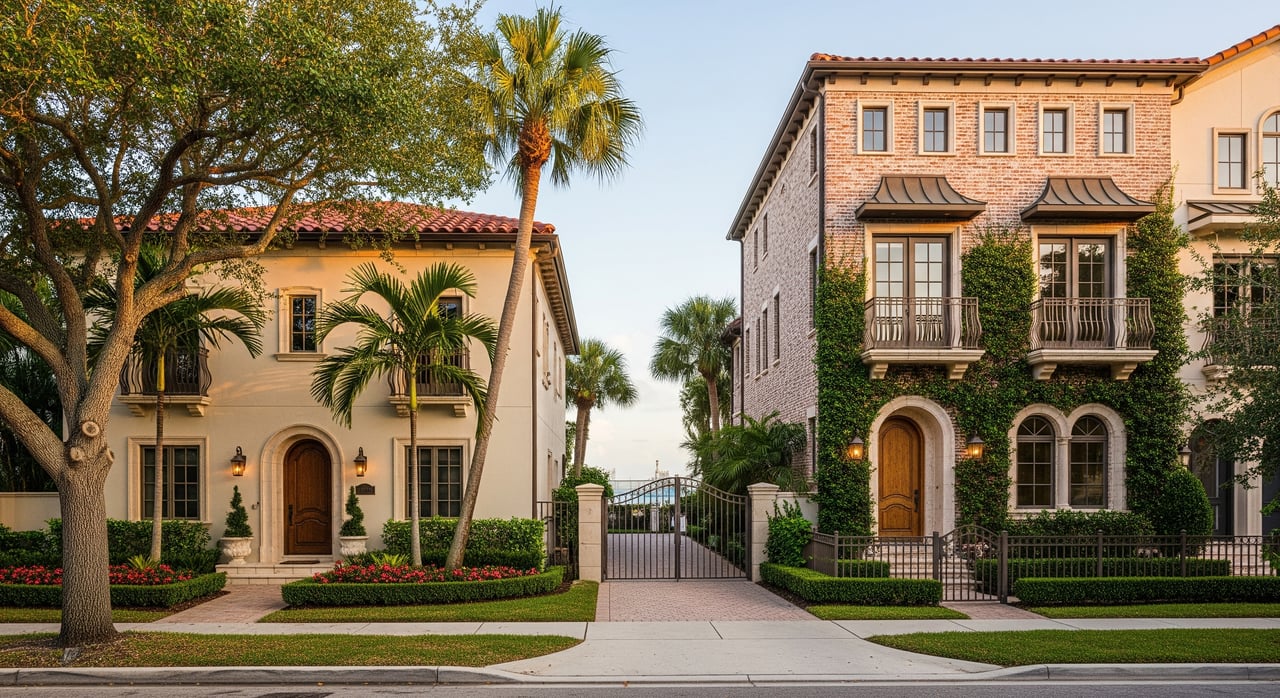
Is a low-maintenance townhome near Bayshore better for you than a detached home with a yard in Palma Ceia or Virginia Park? In South Tampa, both options can fit an urban lifestyle, but they come with very different costs and day-to-day tradeoffs. You want the right balance of location, budget, and peace of mind. In this guide, you’ll learn how townhomes and single-family homes compare on fees, insurance, flood risk, parking, outdoor space, and resale. You’ll also get a clear checklist to run the numbers with confidence. Let’s dive in.
South Tampa lifestyle realities
Walkability and location tradeoffs
Many South Tampa pockets are highly walkable and close to Downtown, restaurants, parks, and the waterfront. Townhomes often cluster near these amenities, which can be a strong lifestyle fit if you want a shorter commute and more time out in the neighborhood. Single-family homes can also be close to the action, but you typically pay a premium for lot size and privacy where land is limited.
The proximity premium is real near Bayshore Boulevard, Davis Islands, and urban corridors. If you lean toward a townhome, confirm what your HOA covers and how that aligns with a busy, lock-and-leave lifestyle. If you lean single-family, weigh the added freedom to improve the property against higher time and maintenance needs.
Flood and storm exposure
Flood and storm risk is a key factor throughout Tampa Bay. Before you compare two homes, check the parcel’s flood zone and elevation. Use the FEMA Flood Map Service Center for the official flood zone and talk with your lender about whether flood insurance will be required. For longer-term context, review NOAA Sea Level Rise resources to understand local projections.
Small differences in elevation, drainage, or where mechanical systems are located can change your insurance costs and comfort level. Whether you choose a townhome or single-family home, verify the flood zone, look for an elevation certificate, and ask about past drainage or stormwater improvements.
Total cost of ownership
HOA fees and what they cover
- Townhomes: Many communities include exterior maintenance, roof or siding, landscaping, trash, and common-area insurance. Fees vary with amenities and age of the development. Confirm whether the community is governed under Florida condominium law or an HOA. Condominium associations are generally subject to Florida Statutes Chapter 718. HOAs typically fall under Chapter 720. The statute and governing documents define what the association insures and what you insure.
- Single-family: Some South Tampa homes are in HOAs, but many are not. Without an HOA, you are responsible for exterior upkeep, yard care, and reserves for big-ticket items. If an HOA exists, review the same documents you would for a townhome.
Property taxes and exemptions
Property taxes apply to both options. You can estimate taxes and look up parcel data through the Hillsborough County Property Appraiser. If this will be your primary residence, research homestead exemptions, which can reduce your annual bill. Always verify the current assessed value, millage, and exemptions for each specific property.
Homeowners and flood insurance
- Flood insurance: Standard homeowners policies do not include flood coverage. If the property is in a higher-risk flood zone and you have a mortgage, your lender may require flood insurance through the NFIP or a private carrier. Start with the FEMA flood maps noted above and ask for an elevation certificate if available.
- Homeowners coverage and master policies: If you buy a condominium-style townhome, the association’s master policy may insure the building structure, with you purchasing an HO-6 policy for interiors and contents. If the townhome is governed like an HOA with limited master coverage, you may need a policy more like an HO-3. The Insurance Information Institute’s guidance on condo insurance is a useful primer. Always confirm the association’s master coverage, deductible, and whether loss assessment coverage is recommended for your individual policy.
- Market conditions: Florida insurance markets have experienced volatility at times. Premiums and underwriting can change based on roof age, wind mitigation, and distance to water. For statewide context, consult the Florida Office of Insurance Regulation.
Maintenance, repairs, and reserves
- Townhomes: When the HOA covers exterior items, you spend less time on routine upkeep. You still need reserves for interior systems like HVAC and appliances. Review reserve studies and ask about planned capital projects. Underfunded reserves can lead to special assessments.
- Single-family: You control the work and timing, but you carry all exterior and interior costs. Budget for roof, tree care, irrigation, pest control, and potential storm cleanup. You can contract services if you want low-maintenance living, but that adds to the monthly outlay.
Parking and vehicle-related costs
- Single-family: You usually get a driveway and garage, plus easier space for storage and EV chargers on your property.
- Townhomes: Parking can range from private garages to assigned or street parking. If you plan to install EV charging, ask about HOA rules and electrical capacity.
- Local rules: Check City of Tampa parking information for any permit zones or restrictions that could affect guest parking.
Outdoor space and privacy
If you picture weekend grilling and a future pool, a single-family home’s yard offers more flexibility. You also gain privacy and room for pets or gardens. The tradeoff is regular lawn care, irrigation, and hurricane preparation.
Townhomes often provide small patios or rooftop decks, plus shared green space. You get less maintenance and more predictability. Expect lower privacy and a bit more noise transfer due to shared walls. Decide how much private outdoor space you truly need day to day.
Compare costs the smart way
Use a straightforward approach to see the real annual cost of each property on your shortlist. Check these items and then run the simple formula below.
Quick checklist for each property
- Monthly HOA or condo fee, and a list of what it covers
- Association financials: latest budget, reserve balance, board minutes, special assessment history
- Annual homeowners insurance premium and deductible details
- Required flood insurance premium based on flood zone and elevation certificate
- Annual property taxes and potential homestead exemptions
- Estimated annual maintenance and replacements that you pay directly
- Utilities and any municipal fees
- Parking and storage value based on your daily life
- Potential special assessment exposure based on reserves and upcoming projects
Total Annual Cost = (HOA fee x 12) + Property tax + Homeowner insurance + Flood insurance + Estimated maintenance and replacements + Utilities + Average annual special assessment amount
Compare the totals across your finalists instead of focusing only on list price or price per square foot. This gives you a clear, apples-to-apples view.
Which home fits you
Time-poor professional focused on location
If you want a walkable pocket and fewer chores, a townhome with comprehensive exterior coverage can fit well. Your monthly fee may be higher, but your time commitment can be lower. Verify the HOA’s reserve health and master policy to avoid surprises.
Space seeker who values control
If you prioritize a yard, privacy, and the option to add features later, lean toward a single-family home. You gain flexibility and long-term customization. Plan a realistic maintenance and reserve budget so your monthly numbers stay comfortable.
Multi-vehicle or EV household
If you need secure garage space, storage, or an EV charger, a single-family home often makes it simpler. If a townhome is your first choice, confirm garage assignments, guest parking rules, and whether the HOA allows and supports personal EV charging.
Resale minded
Well-located South Tampa townhomes often attract buyers who want lower maintenance near amenities. Narrow-lot single-family homes in sought-after pockets can command strong premiums. If financing is part of your plan, remember that some lenders treat condominium associations differently. Review association health early to avoid last-minute surprises.
Flood cautious
Start with flood zone and elevation. If both options are in higher-risk areas, small differences in elevation or mitigation features can reduce premiums and worry. Choose the property with better documented mitigation and drainage, whether that is a townhome or a single-family home.
Due diligence for every South Tampa listing
- Association and governance: Review declarations, bylaws, CC&Rs, budget, reserve study, insurance certificate, board minutes, and rules for parking, rentals, pets, and exterior changes. Confirm whether the community is governed under Chapter 718 or Chapter 720.
- Flood and insurance specifics: Pull the parcel’s zone from the FEMA Flood Map Service Center. Ask for an elevation certificate and the association’s master policy summary, including deductibles and loss assessment details. Review wind mitigation features and roof age.
- Property and site checks: Evaluate yard size, tree density, drainage around the home, parking assignments on the deed or plat, and major system ages.
- Taxes and exemptions: Confirm assessed value, millage, and homestead exemptions with the Hillsborough County Property Appraiser.
- Market and financing: Discuss association eligibility with your lender early if you are considering an attached home. Healthy reserves and owner-occupancy ratios can matter for some loan programs.
Finding the right South Tampa home is not just about the front door feel. It is about understanding how fees, insurance, flood risk, parking, and maintenance show up in your daily life and your budget. If you want help comparing properties side by side and navigating association documents, you are not alone. Reach out to the team you can trust for a clear, concierge experience from search to close.
Ready to explore your options in South Tampa? Request a Private Consultation & Home Valuation with Carr Signature Premier Group. We will help you compare the right homes, lower your stress, and move with confidence.
FAQs
What is the biggest cost difference between South Tampa townhomes and single-family homes?
- Townhomes often shift exterior maintenance to the HOA fee, while single-family owners pay those costs directly. The best way to compare is to total annual costs, including HOA fees, insurance, flood insurance, taxes, maintenance, and potential special assessments.
How do I check flood risk for a South Tampa property?
- Look up the parcel on the FEMA Flood Map Service Center and request an elevation certificate if available. For long-term context, review NOAA Sea Level Rise resources.
Do townhome owners still need insurance if the association has a master policy?
- Yes. You will usually need your own policy for interiors and contents, and possibly loss assessment coverage. Review the master policy and consult guidance like the Insurance Information Institute’s condo insurance overview to understand coverage gaps.
Where can I verify property taxes and exemptions in Hillsborough County?
- Use the Hillsborough County Property Appraiser to look up assessed values, tax history, and information about homestead exemptions for primary residences.
What should I review in HOA or condo documents before buying in South Tampa?
- Focus on declarations, bylaws, rules, the current budget, reserve studies, insurance certificates, board minutes, special assessment history, and parking or EV charger rules. Confirm whether the community is governed under Florida Statutes 718 or 720, since coverage and owner responsibilities can differ.
Are there parking rules I should know about in South Tampa neighborhoods?
- Some areas use permits or have restrictions that affect street and guest parking. Check City of Tampa parking information and confirm any HOA policies for assigned spaces or garages.