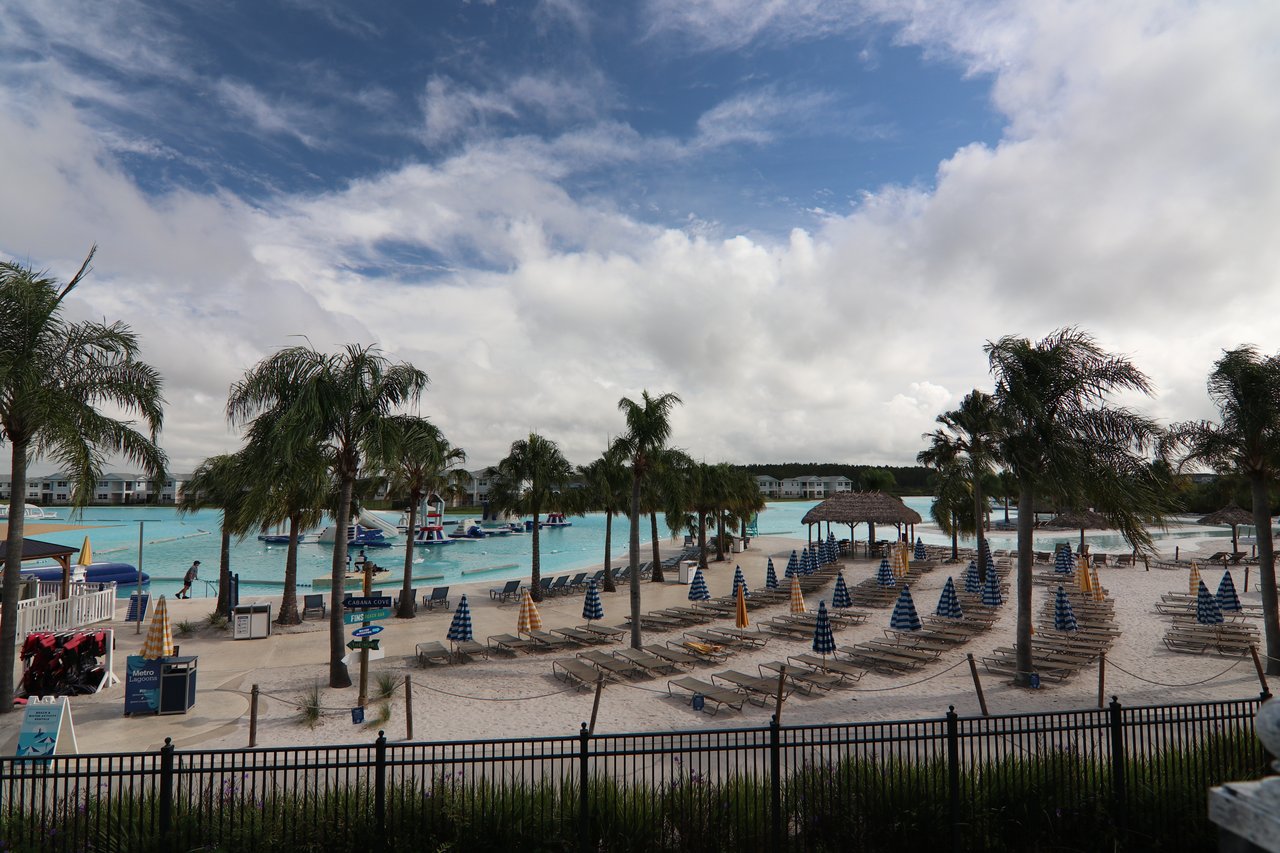
Is lagoon living calling your name, but you are not sure what it really means in San Antonio, Florida? You are not alone. Lagoon communities are unique, and the details matter when you are planning a move or an upgrade. In this guide, you will learn how these neighborhoods work, what amenities to expect, how HOA and CDD costs fit into your budget, and what to check before you buy. Let’s dive in.
What a lagoon community means here
In Pasco County’s San Antonio area near Tampa, a lagoon community is a master‑planned neighborhood built around a large, engineered water feature designed for swimming, lounging, and non‑motorized water sports. It feels like having a beach in your backyard, but it is privately owned and operated for residents and registered guests.
Developers in this part of Tampa Bay focus on a resort‑style lifestyle. You will see marketing that highlights family‑friendly water play, a vacation look and feel, and a full social calendar. That is the draw for many buyers who want recreation and community programming without leaving the neighborhood.
If you want low maintenance costs or a very quiet, rural setting, this may not be the best fit. Lagoon neighborhoods often carry higher HOA dues to maintain the water feature and the amenities that come with it.
Everyday lifestyle and amenities
On‑the‑water fun
The lagoon is the centerpiece. You will typically find sandy beach‑style entries, roped swim zones, and shallow play areas. Many communities offer rentals for paddleboards and kayaks, along with rules that keep things safe and orderly. Some provide lifeguards during posted hours, while others post “swim at your own risk.” Always confirm the policy where you plan to buy.
Beyond the beach: club and trails
Lagoon neighborhoods usually stack on additional amenities. Expect pools and cabanas, a fitness center or clubhouse, pickleball or tennis courts, and walking or biking paths. You may also see shaded picnic areas, grills, playgrounds, dog parks, and restrooms with outdoor showers. The goal is to let you spend a full day outside without leaving the community.
Events and seasonal rhythms
A resident social calendar is common. You might see movie nights, concerts, fitness classes, and holiday events funded by the HOA. Seasonal residents often arrive in higher numbers during winter, which can change parking patterns and crowd levels. If you prefer quieter spaces, plan visits at different times of day and different months to test the vibe.
Rules, access, and how they work
HOA and CDD basics
Most lagoon communities are governed by a Homeowners’ Association (HOA) under Florida law. The HOA manages rules, budgets, and common‑area maintenance, including the lagoon. Some master‑planned neighborhoods also use a Community Development District (CDD) to finance big infrastructure items like roads and the lagoon itself. CDDs levy assessments on property owners to repay bonds, often over many years.
Florida Statutes Chapter 720 covers HOAs and Chapter 190 covers CDDs. These laws set out notice, budgeting, and member rights. The takeaway for you is simple. Expect written rules, published budgets, and official records you can request and review before you buy.
Access and guest policies
Lagoon access is almost always for residents and their guests. You will usually see wristbands, key fobs, or app‑based entry, and limits on the number of guests. Some communities sell a limited number of day passes to non‑residents, while others do not allow public access at all. Rules can change as communities grow and turn over from the developer to the HOA.
Short‑term rentals may be restricted or require registration. If you plan to rent your home seasonally, read the rules closely. If you want to avoid frequent short‑term rentals near you, those same rules can be a plus.
Safety and supervision
Policies vary. Some communities staff lifeguards during peak hours. Others post rules, safety signage, and “swim at your own risk.” Ask about lifeguard staffing, incident history, and insurance coverage for the common areas. You should also review alcohol policies, pet restrictions near the beach, and quiet‑hours rules before you commit.
Costs you should budget for
HOA dues and what they cover
HOA dues pay for grounds and lagoon upkeep, staffing, lifeguards when provided, security, and programming. Lagoon systems can be complex and require steady maintenance and water quality testing. That is why resort‑style HOAs tend to be higher than those in standard subdivisions.
CDD assessments on your tax bill
If a CDD is in place, you will see a separate line for that assessment on your property tax bill. These assessments repay bonds that funded big infrastructure and can last for decades. Treat them like a recurring cost, not a one‑time fee, and include them in your monthly budget.
Special assessments and insurance
Large water features have long‑term capital needs. If reserves fall short, the HOA may levy special assessments to cover projects like re‑lining or mechanical system replacement. Ask for the current reserve study, the lagoon’s capital plan, and the association’s history of special assessments. For your own policy, look into homeowners coverage with loss assessment protection when appropriate.
Financing and resale implications
Lenders will review HOA documents and any special assessments or CDD obligations. Big unknowns can affect mortgage approval. On resale, a well‑maintained lagoon and active amenities can support a premium. Poor maintenance, frequent special assessments, or restrictive rental rules can reduce demand. Your goal is to verify financial health early so you can buy with confidence.
Environmental and safety considerations
Permitting and oversight
Building and operating a lagoon typically involves civil engineering, stormwater approvals, and county reviews. In Pasco County, Development Services oversees land‑use and construction permits, and the Southwest Florida Water Management District provides water resource and stormwater guidance. Developers must follow these rules during construction and turnover.
Water quality and maintenance
Lagoon systems rely on circulation, filtration, and sometimes chemical treatment to keep water clear and safe. Maintenance schedules and testing frequency vary by community. Ask for recent water quality results, algae control protocols, and any history of closures. Clear documentation is a good sign that the system is well managed.
Safety policies that matter
Confirm child supervision rules, posted hours, and lifeguard staffing. Review incident reporting procedures and insurance coverage for common areas. When policies are clear and consistently enforced, you will know what to expect as a resident and a guest host.
Smart buyer checklist
Use this due‑diligence list to move from curious to confident.
- Legal and financial documents
- Request CC&Rs, bylaws, rules, the current budget, reserve study, year‑to‑date financials, recent HOA meeting minutes, and any litigation disclosures.
- If a CDD exists, get bond schedules, current assessment amounts, and any planned future bond issues. Verify the annual CDD on a recent tax bill.
- Lagoon‑specific items
- Ask for the written lagoon maintenance plan and recent water quality test results.
- Review algae and chemical treatment schedules and the history of closures or water quality incidents.
- Confirm lifeguard coverage, posted waivers, and safety rules.
- Usage and access rules
- Review guest‑pass limits, rental restrictions, hours of operation, alcohol and pet rules, and beach‑area parking policies.
- Site visit and observations
- Visit on a weekday and weekend, and at different times, to check crowd levels, parking, and enforcement.
- If possible, talk with current residents about water clarity, assessments, and community events.
- Financing and resale
- Ask your lender how they treat CDD assessments in debt‑to‑income ratios.
- Compare recent resale data for similar homes in both lagoon and non‑lagoon communities nearby.
Is a lagoon community right for you?
Choose a lagoon neighborhood if you value on‑site recreation, social programming, and a “resort at home” feel. Be ready for higher ongoing costs to fund those experiences, and learn the rules that keep the lagoon safe and enjoyable. With the right due diligence, you can find a home that fits your lifestyle and budget.
When you are ready to tour San Antonio’s lagoon options or want a clear read on HOA and CDD numbers for a specific address, connect with the local team that specializes in Tampa Bay’s lifestyle communities. Reach out to Carr Signature Premier Group for personalized guidance and a private consultation.
FAQs
Are San Antonio, FL lagoon amenities open to the public?
- Most are private for residents and registered guests. Some communities may offer limited paid day passes, while others do not allow public access. Always confirm the current policy.
How much are HOA dues in lagoon communities?
- Dues vary by community and amenity scale. Expect higher fees than standard subdivisions because lagoons require intensive maintenance, staffing, and programming.
What is a CDD and how does it affect my payment?
- A Community Development District finances infrastructure with bonds and collects annual assessments from owners. The assessment typically appears on your property tax bill and should be included in your budget.
Are there lifeguards at the lagoon?
- Some communities staff lifeguards during posted hours, while others have “swim at your own risk” policies. Verify staffing, hours, and safety rules before you buy.
Can the HOA levy special assessments for lagoon repairs?
- Yes. Large water features have significant capital costs. Review the reserve study, capital plan, and history of special assessments to understand your risk.
Will lagoon living boost my home’s resale value?
- A well‑maintained lagoon and strong amenities can support a premium with buyers who value the lifestyle. Poor maintenance or high assessments can reduce demand. Local comps will tell the real story.
What documents should I review before closing in a lagoon community?
- Request CC&Rs, bylaws, rules, budget, reserve study, recent HOA minutes, CDD bond and assessment details, lagoon maintenance plans, and water quality test results.